

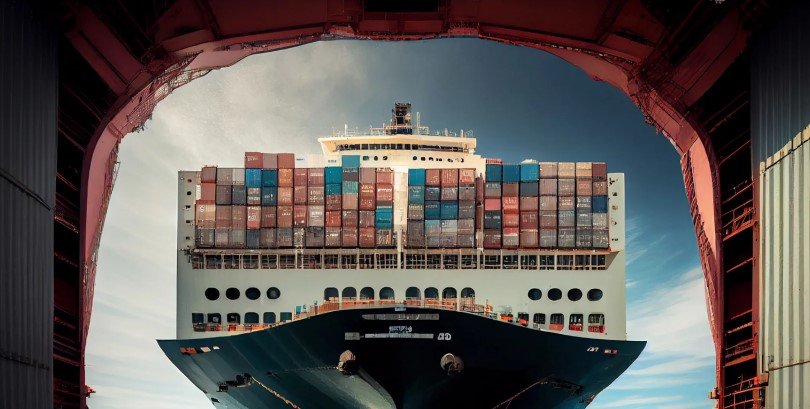
The Growing Complexity of Business Logistics
As businesses expand, logistics operations become significantly more complex. What initially works for a small customer base often becomes inefficient when order volumes increase, delivery regions expand, and customer expectations rise. Managing transportation, scheduling, and delivery accuracy internally can quickly overwhelm growing teams. Without a structured logistics framework, businesses risk delays, rising costs, and service inconsistencies that can slow growth.
Logistics is no longer just a back-end function. It directly influences customer satisfaction, operational stability, and brand reputation. Businesses that fail to adapt their logistics strategy during growth often struggle to scale efficiently. This is why professional logistics services become critical during expansion phases.
Logistics as a Foundation for Business Growth
Logistics plays a foundational role in business growth. Every product sold must be delivered accurately and on time, making logistics a direct extension of customer experience. Poor logistics execution can undo the efforts of sales and marketing by failing at the final delivery stage.
Professional logistics services introduce structured workflows that ensure consistency across operations. These workflows help businesses maintain service quality even as shipment volumes increase. With professional planning, businesses can expand confidently without compromising delivery standards.
Additionally, logistics reliability builds customer trust. When customers receive their orders on time and in good condition, they are more likely to return and recommend the business.
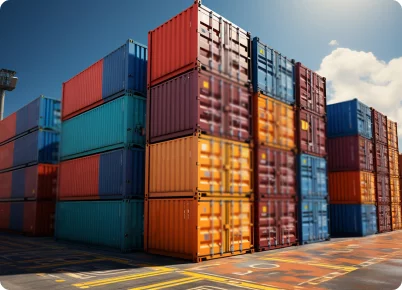
As complexity increases, professional logistics providers help businesses reduce operational risks. Compliance, experience, and accountability prevent costly disruptions and service failures.
Managing Growth with Structured Logistics
Growth brings operational risks if logistics is not properly managed. Professional logistics services rely on standardized processes for scheduling, routing, handling, and delivery. These processes reduce human error and ensure predictability across operations.
Structured logistics also ensures compliance with transport regulations and safety standards. This protects businesses from legal issues, shipment losses, and reputational damage. As operations scale, professional logistics provides the discipline needed to manage complexity without disruption.
A structured logistics system allows businesses to add new locations, customers, and routes without operational breakdowns.

Cost Control and Operational Efficiency
Contrary to common belief, professional logistics services often reduce overall operational costs. Optimized routes, consolidated shipments, and better capacity utilization help minimize unnecessary expenses. Businesses gain better visibility into logistics spending and can forecast costs more accurately.
Efficiency improves across internal teams as well. When logistics is professionally managed, staff spend less time resolving delivery problems and more time focusing on growth activities. This improves productivity and operational clarity.
Improving Efficiency and Business Focus
Outsourcing logistics allows businesses to focus on what they do best—sales, product development, and customer engagement. Logistics professionals handle the complexities of transportation and delivery, ensuring consistency and reliability.
In the long term, professional logistics creates a scalable operational foundation. It enables sustainable growth, reduces risk, and positions logistics as a competitive advantage rather than a limitation.

 Interscan Transport & Logistics