


Logistics as the Engine of Supply Chain Performance
Supply chain efficiency is directly influenced by how well logistics operations are managed. Every movement of goods—from suppliers to warehouses and from warehouses to customers—depends on logistics accuracy and timing. When logistics is poorly managed, delays, excess inventory, and operational disruptions become common, negatively affecting business performance.
As supply chains grow more complex, businesses can no longer rely on informal or reactive logistics processes. Professional logistics services introduce structure, reliability, and predictability, ensuring that goods flow smoothly across every stage of the supply chain.
Logistics as a Supply Chain Backbone
Logistics acts as the backbone of the supply chain, connecting production, storage, and distribution. Any weakness in logistics planning or execution immediately impacts inventory availability and customer satisfaction. Delays in transportation can halt production lines or lead to missed delivery commitments.
Professional logistics services ensure that this backbone remains strong. Through disciplined coordination and defined workflows, logistics providers maintain continuity across supply chain operations.
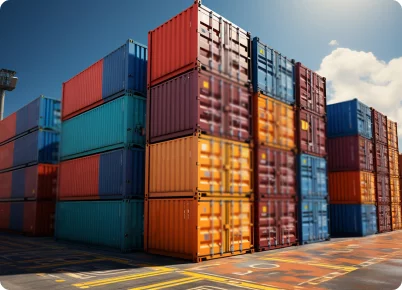
This consistency allows businesses to operate without frequent interruptions or emergency interventions.
Planning and Coordination for Smooth Flow
Efficient logistics begins with detailed planning. Shipment schedules, transport capacity, and delivery timelines must align with production and demand forecasts. Professional logistics services coordinate these elements to avoid bottlenecks and unnecessary waiting times.
Coordination between suppliers, warehouses, and delivery points ensures smooth transitions. When logistics activities are synchronized, goods move efficiently, reducing idle time and improving turnaround across the supply chain.
Optimized Transportation and Route Efficiency
Transportation is one of the most cost-intensive components of the supply chain. Poor routing decisions can increase transit times, fuel consumption, and operational costs. Professional logistics providers focus on route optimization to improve speed and efficiency.
Optimized routes reduce delays, improve delivery reliability, and lower transportation expenses. This directly enhances overall supply chain efficiency while supporting sustainability goals through reduced fuel usage.


Supporting Inventory Optimization
Reliable logistics plays a critical role in inventory management. When deliveries are predictable, businesses can maintain optimal stock levels without overstocking or stock shortages. This reduces storage costs and improves cash flow.
Professional logistics enables accurate inventory planning by ensuring that goods arrive as scheduled. This alignment between logistics and inventory strategy strengthens supply chain performance.
Building a Resilient and Efficient Supply Chain
Professional logistics services do more than improve efficiency—they build resilience. Businesses can respond faster to market changes, demand fluctuations, and unexpected disruptions.
By strengthening logistics operations, companies transform their supply chain into a strategic asset that supports long-term growth and operational stability.
 Interscan Transport & Logistics